Add 2 more items to unlock your free mystery gift.
Complimentary item.
Total
Recommended add-on
Home/What to Put on a Dog Tag: The Ultimate Guide to ID Tag Information & Materials
What to Put on a Dog Tag: The Ultimate Guide to ID Tag Information & Materials
It's a sinking feeling: you look down, and your dog is gone. In that panic, a simple ID tag is the fastest way to get them home. But what should you actually put on it? And what material makes it last? This guide covers everything from the perfect engraving to the best tag material, plus tips to stop that constant jingling.
Why Your Dog's ID Tag Is a Lifeline
More than just a fashion accessory, an ID tag is your pet's ticket home. If they get lost, a tag helps a stranger reunite you without a trip to a shelter. Shelters and vets also look for a license or microchip number on the tag, making it a critical first step.
What to Engrave: The Essential Info
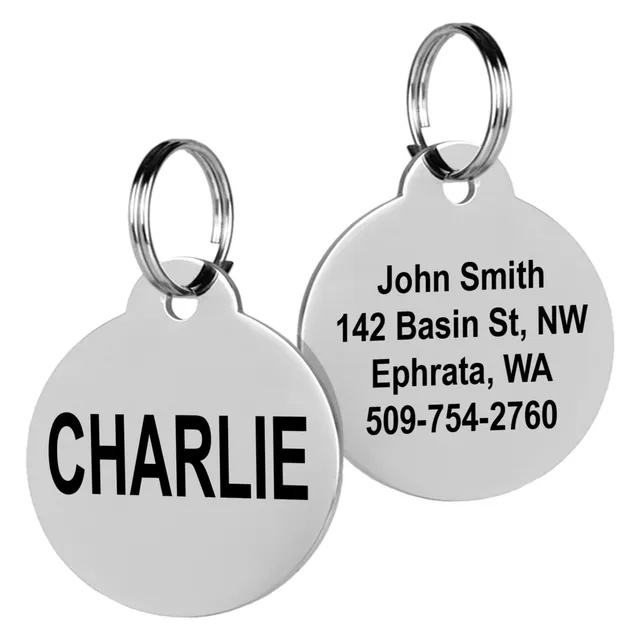
The classic dog tag should always include your phone number and your dog's name. But is that enough? Here's the breakdown:
Dog's Name: Helpful for calling them, but consider safety. If strangers know their name, it might make it easier to call them over.
Your Phone Number: This is the most critical piece. Ensure it's a number you'll answer at all times.
Medical Conditions: If your dog has a condition like epilepsy or diabetes, engrave something like 'NEEDS MEDS' or 'DIABETIC'.
Vaccinations: 'RABIES VACCINATED' helps protect you and your pet if there's an incident.
License Number: Many cities require this; it links to your registration.
While it's tempting to add your address, it can lead to strangers knowing your home is empty if your dog gets out. If you have a high-flight-risk dog, you also may want to skip a name to reduce kidnapping risk.
Best Dog Tag Materials: Steel, Brass, or Silicone?
Tag longevity depends on material. Here's a quick comparison:
Stainless Steel: The gold standard. Rust-proof, strong, and easy to read. Slightly heavier, but unbeatable for durability.
Brass: Classic and shiny, but prone to tarnishing and may cause skin irritation in some dogs.
Aluminum: Lightweight and cheap, but scratches and wears fastest.
Silicone: Flexible, lightweight, and quiet. However, it can fade or tear over time.
For most dogs, we recommend stainless steel as the best balance of strength and readability.
For those who love your dog's ID but not the clinking, there are several quiet solutions:
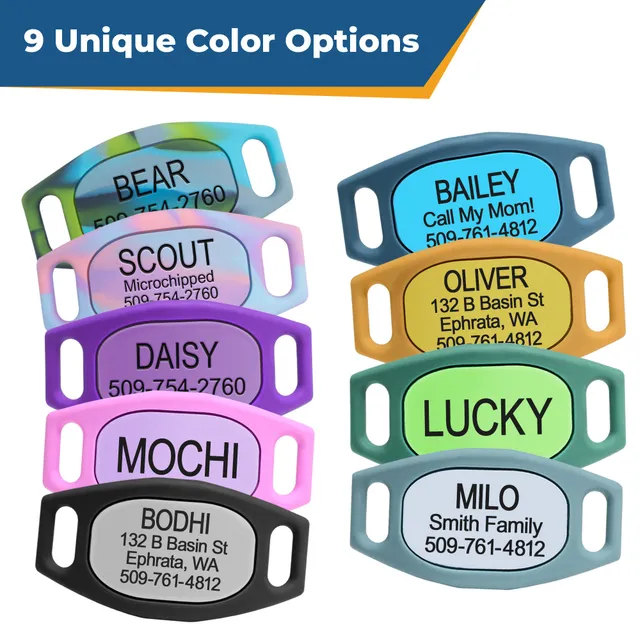
Slide-On Tags: These slip directly onto your dog's collar, staying flush and silent.
Silicone Tags: The soft material naturally dampens sound.
Tag Silencers: Small rubber grommets that surround the tag's edge.
Leather Tag Holders: Wrap around the tag, muffling the jingle.
Dog License Tag Requirements by State
Beyond your ID, many municipalities require a rabies or license tag. While we can't list every county, here are a few general trends: Online registration is now common, with fees often varying by whether your dog is spayed/neutered. Always check your city's website for specific regulations.
Personalization goes beyond basic info. Military-style tags are popular for any pet, and medical alert tags can be a literal lifesaver. When customizing, think beyond your phone number — include any allergies or chronic conditions.
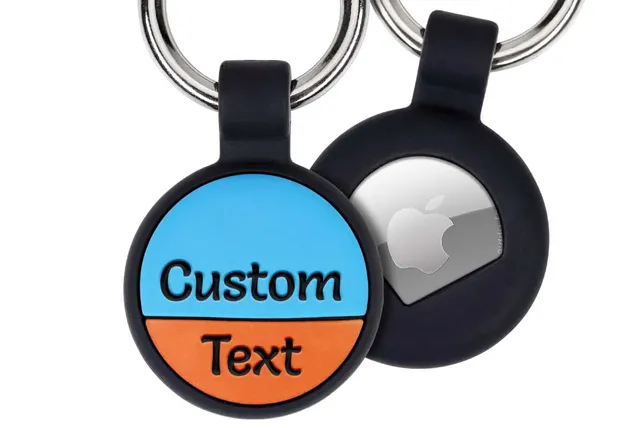
How to Attach an AirTag to a Dog Collar
Apple AirTags are a popular tracking addition. Instead of fumbling with DIY solutions, use a dedicated holder. Look for a rugged, waterproof holder that securely clips to the collar. Many attach like a regular tag or slide onto the webbing.